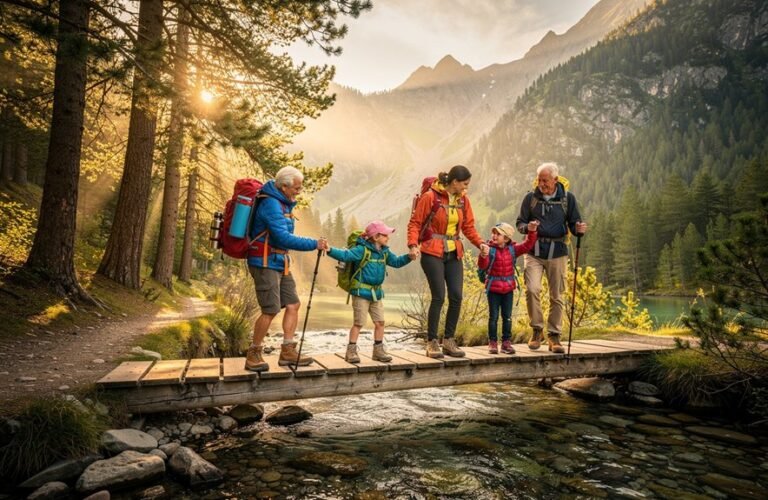
How to Plan Monthly Family Adventure Activities
Start by picking your family “adventure vibe” each month: chill walk + ice cream or full “we might get lost but it’s fine.” Ask everyone what sounds fun—parks, food trucks, short hikes, weird roadside stuff—and rotate so each person gets a win. Set one weekend as Adventure Day, stick to a budget, pack water and snacks, and snap a few pics. Keep it simple, repeatable, and fun—and that’s where the real magic starts.
Key Takeaways
- Pick a clear adventure “type” each month (easy outing vs. bigger challenge) based on your family’s energy, interests, and season.
- Schedule one non-negotiable “Adventure Day” monthly, checking school, sports, and holidays so it actually happens.
- Plan activities around shared interests, not ages, and assign roles (navigator, photographer, snack captain) so everyone feels involved.
- Set a realistic budget, use free or low-cost options, and gather only essential gear like sturdy shoes, water bottles, and layers.
- Capture memories with simple photos and a keepsake box, then hold a short monthly “replay” to relive the adventure and build tradition.
Setting Your Family’s Adventure Goals
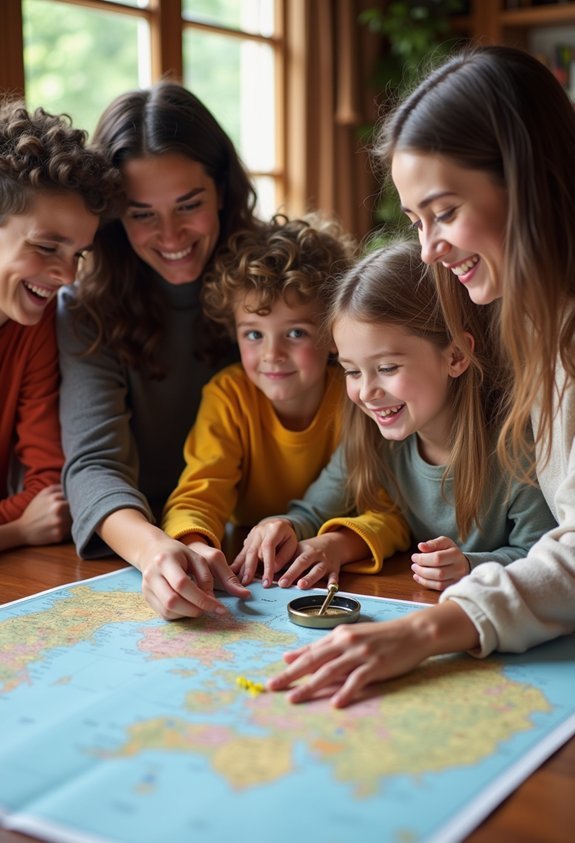
So, what kind of adventure family are you trying to be—“light hike and ice cream” or “lost in the woods but still vibing”?
Start by getting honest about your family priorities. Do you want more time together, more movement, or just less screen-staring and door-slamming? Ask everyone, even the quiet kid who only speaks Minecraft.
Start by getting painfully honest about family priorities—more laughs, more movement, or just fewer slammed doors?
Then pick a few adventure themes that fit: nature, food, history, weird roadside stuff, whatever makes you all say, “Yeah, I’d try that.”
Picture one month at a time. What do you want to feel at the end—tired and muddy, or cozy and proud?
If an idea doesn’t support your priorities or themes, toss it. You’re building a tradition, not random chaos.
Make it fun, repeat it each month.
Choosing Activities That Work for All Ages

Even if your kids range from “likes naps and snacks” to “sulks in hoodies and only laughs at memes,” you can still plan adventures that don’t end in eye rolls and melted-down toddlers.
Start with family interests, not age labels. Ask, “What sounds fun this month—water, animals, food, or weird history?”
Then match ideas to age considerations. Little ones need hands-on stuff: petting zoos, splash pads, short trails with big snacks.
Tweens want challenge and choice: let them pick the route, playlist, or ice cream flavor.
Teens need a mix of freedom and Wi‑Fi: city walks, food trucks, thrift-store hunts.
Build in clear jobs for everyone—map reader, snack boss, photo captain—so every age feels useful, not dragged along.
When they help choose, they cooperate.
Creating a Realistic Month-by-Month Plan
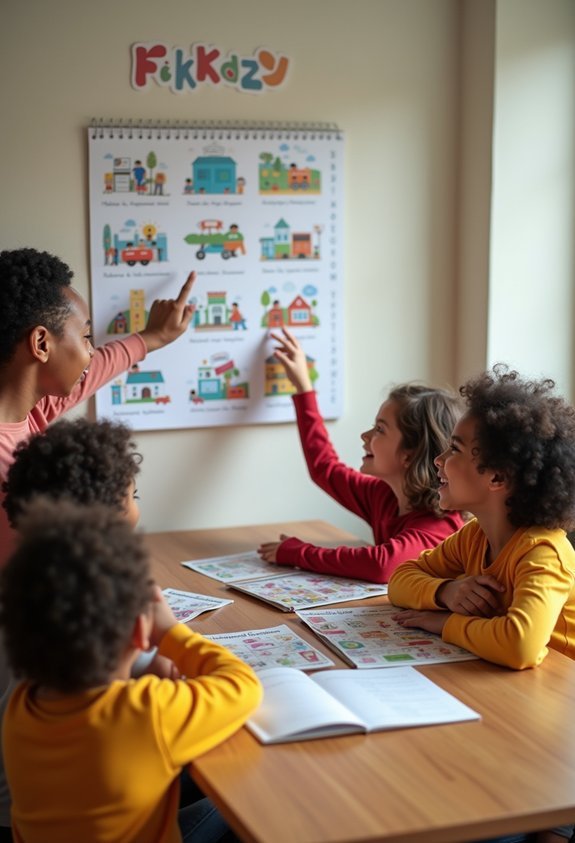
Once you’ve got a bunch of fun ideas, you have to do the boring-but-crucial part: turn them into an actual plan you’ll *follow*, not just dream about in the shower.
Start with a calendar. Pick one weekend a month and crown it “Adventure Day.”
Look at school breaks, sports, and holidays so you don’t schedule a hike on championship game day and start a family mutiny.
Add seasonal considerations: snow days are for sledding, hot days are for water, rainy days are for museums and goofy indoor quests.
Use simple activity rotation. One month outside, one month inside.
One big outing, one tiny-but-fun one, like a sunset walk with ice cream.
Write it all down, or it’ll vanish from your brain by Tuesday morning.
Budgeting and Gathering Gear Without Overspending
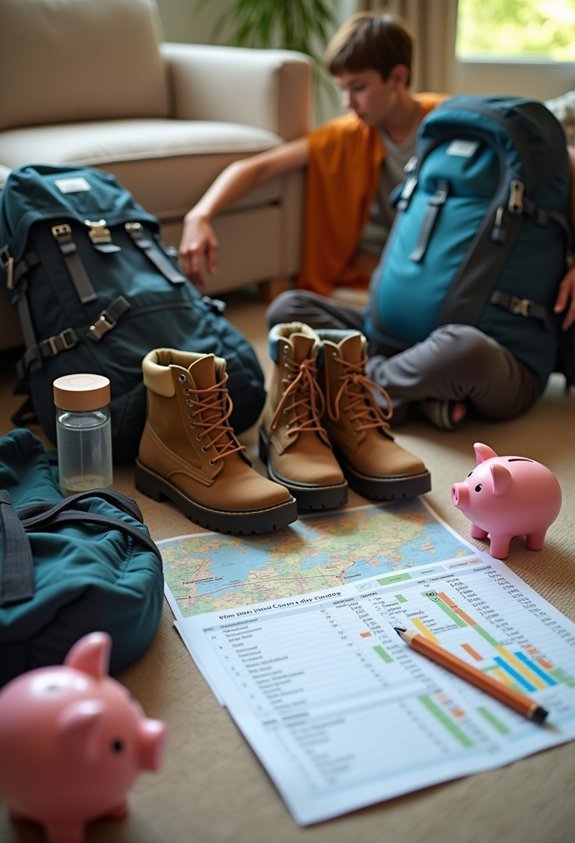
Before you start swiping your card like you’re funding a mountain-climbing expedition, let’s get one thing straight: family adventures do not need a Hollywood budget.
First, set a monthly limit you’re actually cool with. Write it down. Guard it like the last slice of pizza.
Then use cost effective strategies: borrow, rent, or buy used before you ever hit “checkout” on something new.
Focus on essential gear, not every shiny gadget TikTok throws at you. For hikes, you need good shoes, water bottles, and layers—not a $300 backpack with twelve secret pockets.
Shop end-of-season sales, clearance racks, and local buy-nothing groups.
Toss saved cash into a small “adventure jar” so every bargain feels like a tiny victory lap for you and your happy wallet.
Keeping Everyone Engaged Before, During, and After Each Outing

You’ve wrangled the budget and scored gear without selling a kidney, so now comes the real magic: getting your family actually excited to use it.
Start with pre-trip hype. Show pictures, share the plan, and let each person pick one tiny detail: snack, song playlist, trail, or game. When people help design the day, they’re more pumped to go.
Use simple engagement strategies during the outing. Give kids “missions”: spot five birds, find weird rocks, choose the next turn. Rotate who’s in charge so no one zones out.
Activity rotation also saves you from the dreaded “We always do this” eye roll. Switch between hikes, city walks, bikes, and backyard night adventures so every month feels fresh.
That surprise factor keeps everyone coming back.
Capturing Memories and Building a Lasting Adventure Tradition

Even the best adventure kind of fades if you don’t grab it and trap it somewhere, like a happy little memory raccoon.
So plan photo opportunities on purpose. Say, “OK, weird family pose by the waterfall in three…two…TOO LATE.” Snap the chaos. Let kids take turns as “official photographer.” You’ll get crooked trees, blurry shoes, and one magic shot you’ll love forever.
For memory keeping, keep it stupid simple. One big box or basket: ticket stubs, maps, dried leaves, that napkin with chocolate still on it.
Once a month, sit together, pull stuff out, yell, “Oh yeah, remember THIS?” Write one sentence and the date. That’s it.
Over time, you’re not just saving trips; you’re building your family legend. They’ll thank you for it.
In case you were wondering
How Can We Handle Safety and Emergency Preparedness During Family Adventure Activities?
You handle safety by teaching clear safety protocols, practicing them, and assigning roles. Pack emergency kits with first-aid, water, snacks, lights, and chargers. Before outings, review weather, routes, meeting points, and emergency contacts for everyone.
What Are Good Backup Plans When Weather Unexpectedly Ruins Our Adventure Day?
You create backup plans by checking forecasts early, listing flexible alternative locations, and preparing fun indoor activities like scavenger hunts, cooking challenges, or museum visits, so you don’t cancel, you simply adapt the day’s adventure.
How Do We Include Relatives With Disabilities or Limited Mobility in Adventures?
You invite them by choosing accessible locations, asking their input, and planning flexible activities. You use adaptive equipment, shorter routes, frequent rest breaks, and clear communication so everyone participates, feels valued, and shares adventure memories.
How Can We Make Our Family Adventures More Eco-Friendly and Sustainable?
You make adventures more eco-friendly by choosing eco friendly transportation, packing reusable snacks and water containers, renting or sharing sustainable gear, staying on marked trails, supporting conservation projects, and teaching kids why these choices matter.
What’s the Best Way to Resolve Conflicts That Arise During Adventure Outings?
When feelings get slightly heated, you pause, breathe, and invite everyone to share kindly. Use communication strategies: I-statements, reflective listening, and time-outs. Then co-create solutions, apologize where needed, and treat disagreement as conflict resolution practice.
Conclusion
Alright, you’ve got your goals, your game plan, and a crew that’s (mostly) on board. Now you just pick a day, grab your people, and go. Start small, repeat often, and tweak as you learn. Some trips will be epic, some will be total chaos, and that’s perfect. Over time, these monthly adventures will stack up like comic books, turning your regular family life into one long, wild, inside joke—everyone quoting them for years.