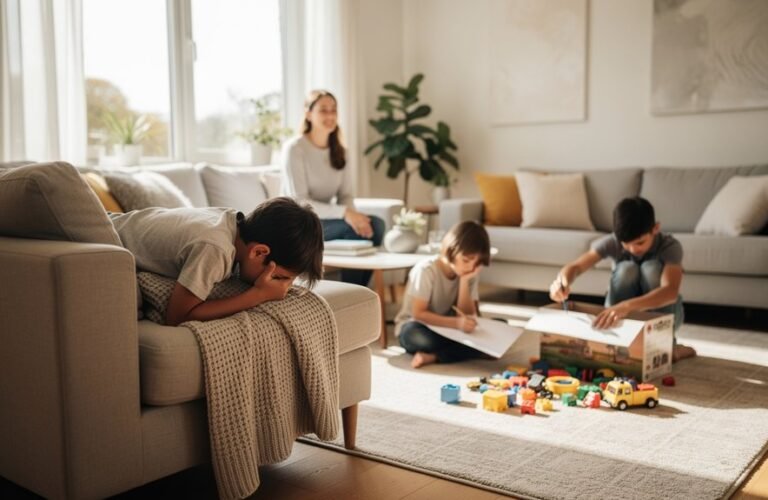
How to Make Learning Fun for Preschoolers
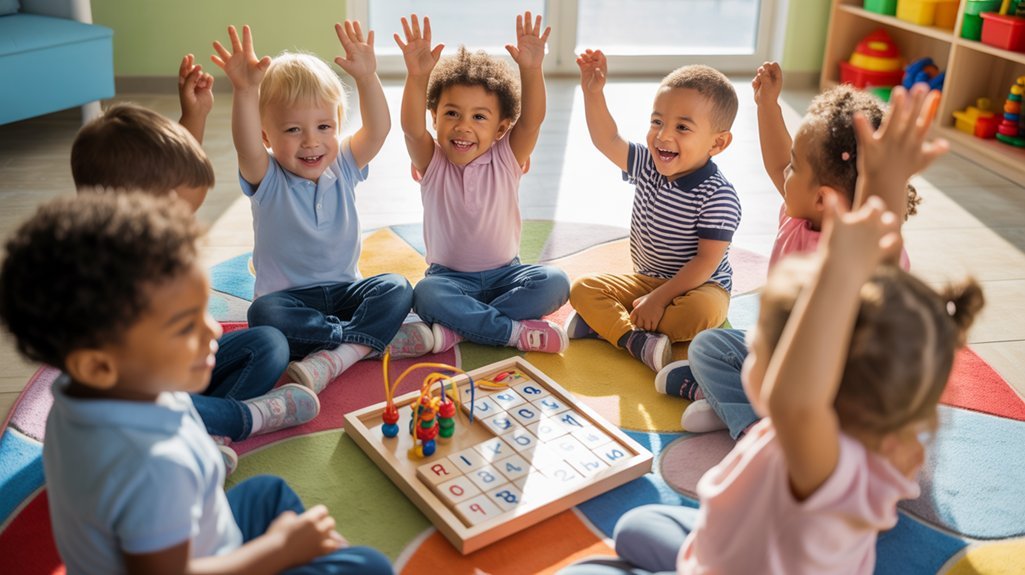
You can make learning fun for preschoolers by transforming daily routines into educational adventures. Turn morning tasks like counting toothbrush strokes and sorting laundry into games, while cooking becomes a hands-on math and science lab. Incorporate movement through activities like hopping while counting or forming letter shapes with their bodies. Use multi-sensory experiences with tactile materials, songs, and colorful visual aids. Create themed play scenarios like pretend grocery stores for math practice, and always celebrate mistakes as learning opportunities. There’s so much more you can discover about engaging your preschooler’s natural curiosity.
Key Takeaways
- Transform daily activities like cooking, bath time, and dressing into playful learning experiences that teach counting, science, and patterns.
- Incorporate movement through active games like hopping while counting or forming letter shapes with bodies to boost engagement.
- Use multi-sensory materials including textured objects, songs, visual aids, and hands-on activities to enhance understanding and retention.
- Create themed imaginative play scenarios like pretend stores or clinics that make abstract concepts concrete through role-playing.
- Celebrate mistakes as learning adventures and provide open-ended materials that encourage experimentation, creativity, and problem-solving skills.
Transform Daily Routines Into Learning Opportunities
Every moment with your preschooler holds potential for discovery and growth. Transform mundane tasks into engaging learning experiences by incorporating educational elements naturally.
During morning routines, count toothbrush strokes or sort laundry by colors. Turn getting dressed into a game where your child identifies patterns and buttons.
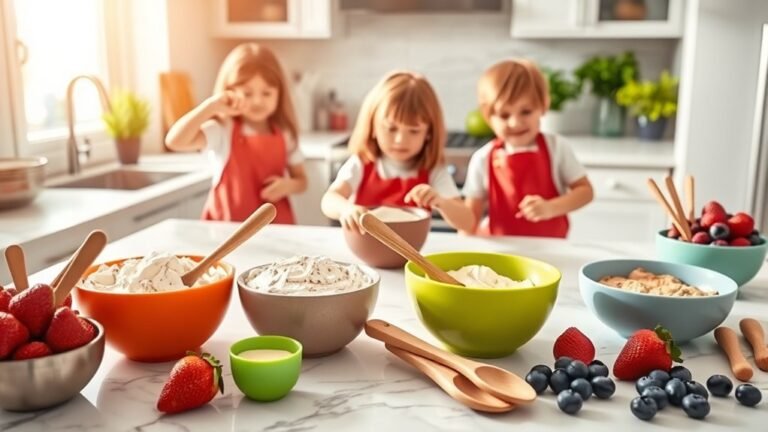
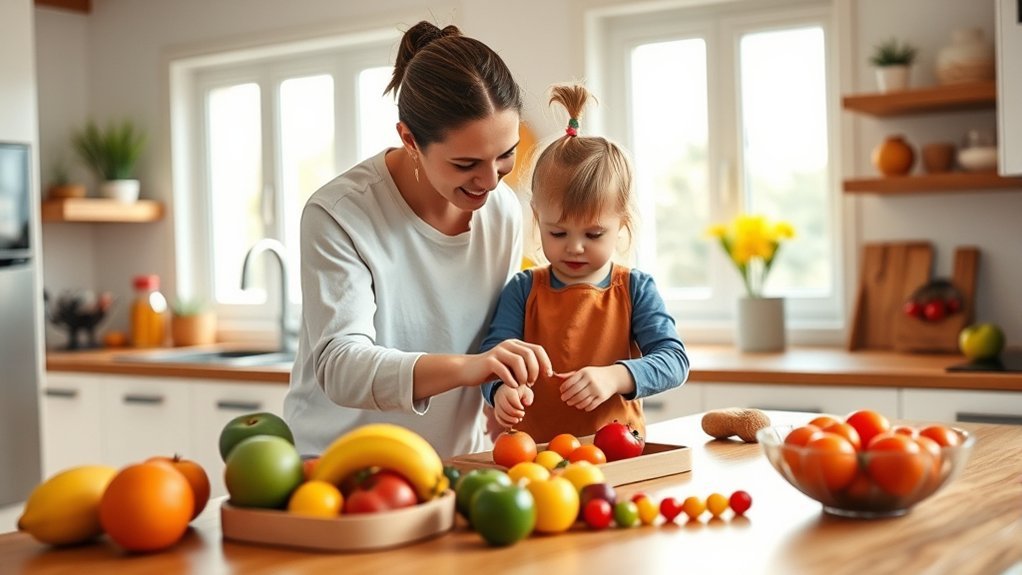
Cooking activities offer rich learning opportunities. Let your preschooler measure ingredients, practice counting, and observe changes in textures and temperatures. They’ll develop math skills, follow sequences, and understand cause and effect.
The kitchen is your preschooler’s hands-on classroom for math, science, and critical thinking skills through simple cooking tasks.
Bath time becomes a science lab when you explore floating and sinking objects. Bedtime transforms through routine storytelling, where you encourage your child to predict what happens next or create alternate endings.
These simple adaptations make learning seamless, engaging, and memorable without feeling like structured lessons.
Incorporate Movement and Physical Activity Into Lessons
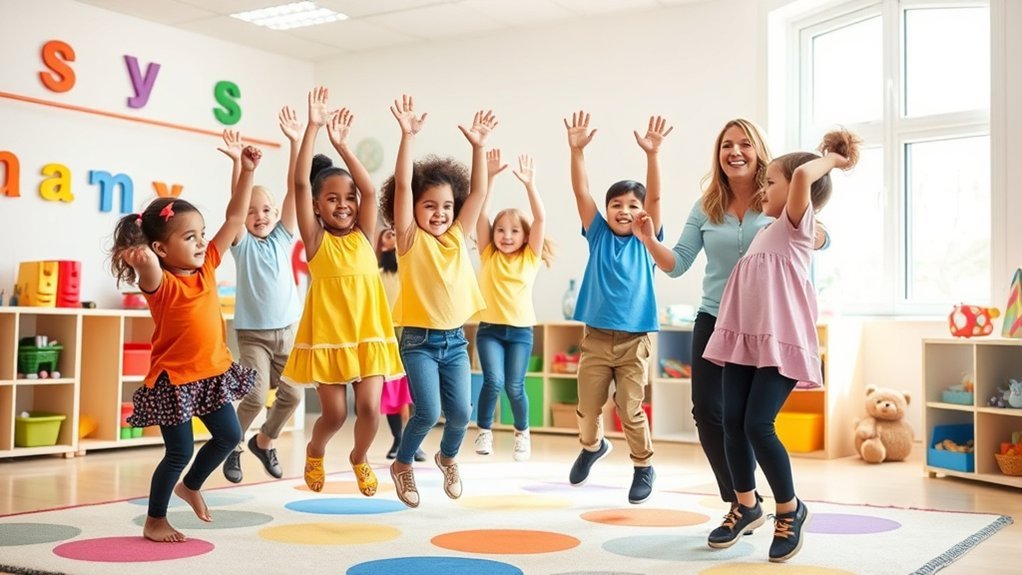
When preschoolers wiggle, jump, and move, they’re not being disruptive—they’re showing you how they learn best. Young children need physical activity to process information and stay engaged.
Try movement games that teach concepts naturally. Have them hop like frogs while counting, stretch tall and small to learn opposites, or march around the room spelling words aloud. These activities make abstract ideas concrete.
Active learning transforms any lesson. Create letter shapes with their bodies, act out story characters, or sort objects by running to different corners of the room. You’ll notice they remember more when their whole body participates.
Keep sessions short and energetic. Even five minutes of movement helps reset their focus and makes learning stick better than sitting still ever could.
Use Multi-Sensory Experiences to Enhance Understanding
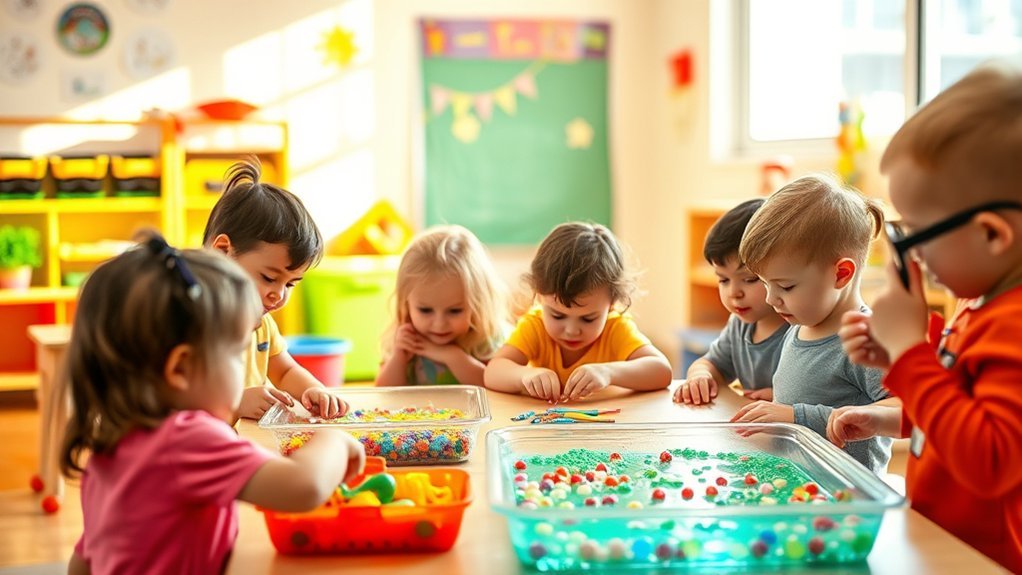
Beyond movement alone, preschoolers grasp concepts more deeply when they can touch, see, hear, and even smell or taste what they’re learning. Sensory play transforms abstract ideas into concrete experiences. Provide tactile materials like sand, clay, or textured fabrics during lessons.
Enhance auditory learning through songs, rhymes, and sound-matching games. Use visual aids such as colorful charts and picture cards to reinforce concepts.
Interactive storytelling with props creates emotional connections that boost retention. Organize experiential workshops where children explore real objects related to your lesson. Include taste exploration when teaching about foods or cultures.
Design kinesthetic activities that combine touch and movement. Incorporate olfactory games using safe scents like vanilla or citrus to stimulate memory. When multiple senses work together, you’ll create lasting understanding.
Create Themed Learning Adventures and Imaginative Play Scenarios
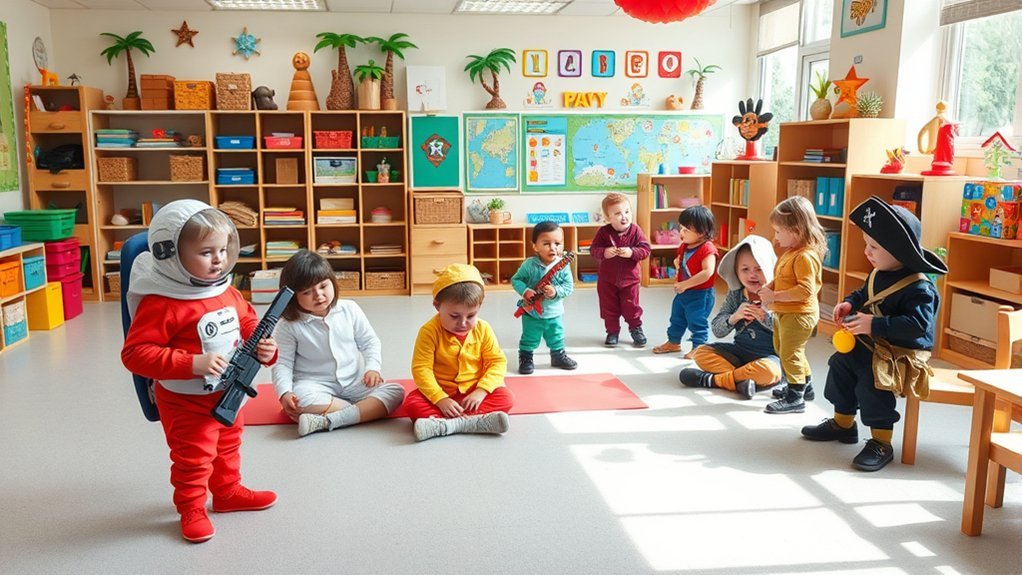
Transform ordinary lessons into captivating adventures by wrapping educational content in imaginative themes that spark curiosity.
You’ll find that themed adventures transport preschoolers into fantasy worlds where learning happens naturally through play.
Design imaginative scenarios like setting up a grocery store for math practice or creating a veterinary clinic for science exploration.
Encourage role play by providing creative costumes and props that bring story exploration to life. When children engage in character creation, they’re developing language skills and emotional intelligence simultaneously.
Interactive storytelling lets you guide educational concepts through narrative. You can build a jungle expedition for animal classification or launch a space mission for counting practice.
These immersive experiences make abstract concepts concrete while maintaining engagement. Watch as your preschoolers eagerly participate in lessons disguised as adventures.
Integrate Music, Songs, and Rhythmic Activities
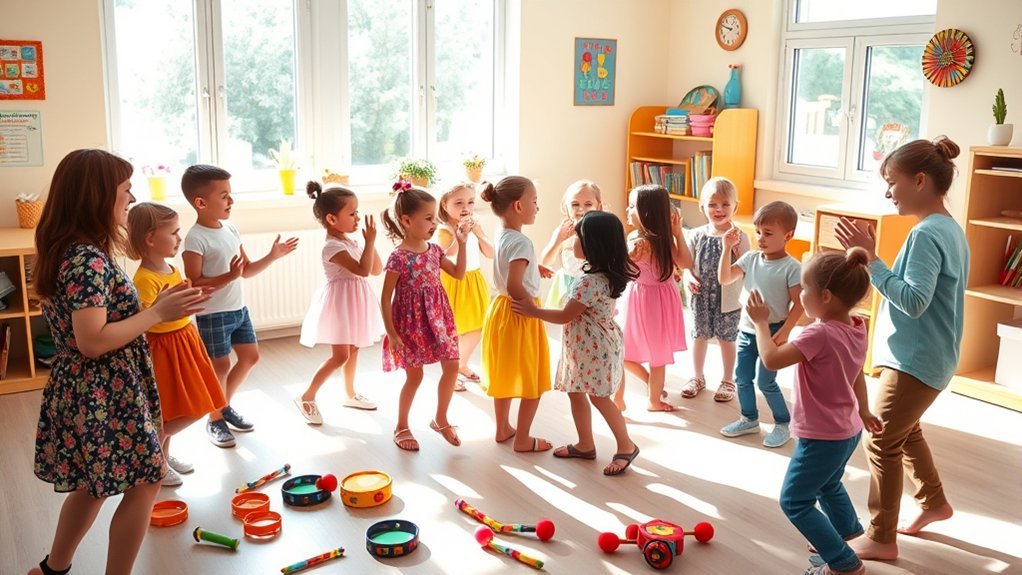
Music naturally amplifies the excitement of themed learning adventures by adding another sensory dimension to your preschooler’s educational experience.
You’ll discover that songs transform abstract concepts into memorable lessons your child can’t help but retain.
Start with musical storytelling by creating simple narratives set to familiar tunes. Change lyrics to teach colors, numbers, or daily routines. Your preschooler will absorb information effortlessly while singing along.
Transform everyday lessons into catchy melodies—your preschooler will learn colors, numbers, and routines without even realizing they’re being taught.
Incorporate rhythmic games that blend movement with learning. Clapping patterns teach math sequences, while marching to different tempos introduces speed and coordination concepts.
You can use homemade instruments like shakers or drums to explore sounds and beats.
These musical activities engage multiple learning pathways simultaneously, making education feel like pure entertainment rather than structured lessons.
Explore Nature and the Outdoors as a Living Classroom
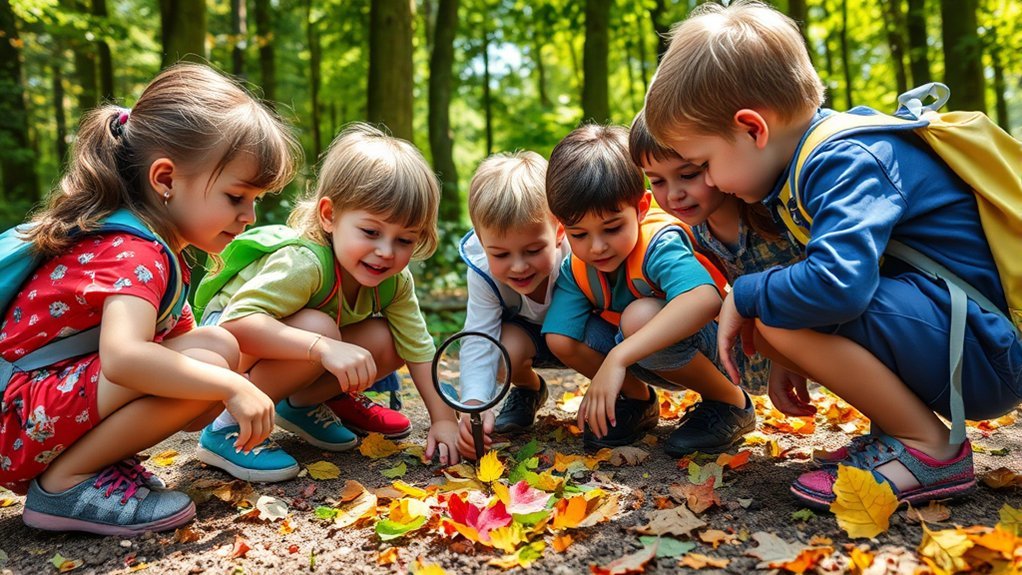
When you step outside with your preschooler, you’ll unlock an endless classroom that changes with every season and weather pattern.
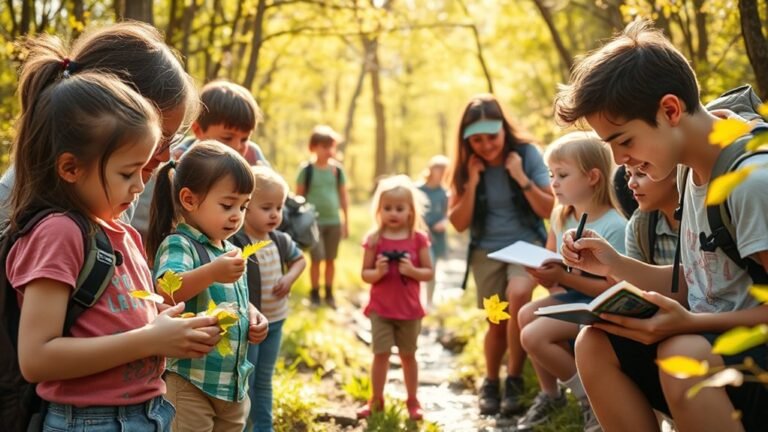
Transform outdoor exploration into adventure through nature scavenger hunts that sharpen observation skills. Garden activities teach responsibility as little hands plant seeds and watch them grow. Wildlife observation encourages patience while spotting birds, butterflies, and insects.
Engage their senses through sensory nature walks—touching bark, smelling flowers, and listening to leaves crunch. Create eco friendly crafts using fallen twigs, stones, and pinecones.
Practice nature storytelling by inventing tales about forest creatures. Discuss seasonal changes as trees transform and temperatures shift. Incorporate outdoor games like “cloud watching” or “shadow tag.”
Let children create nature art using mud, petals, and natural pigments, fostering creativity while connecting with the environment.
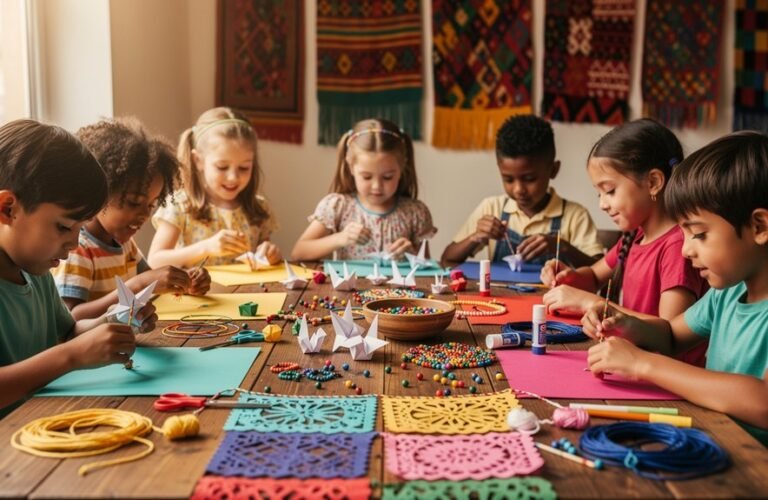
Make Learning Hands-On With Art and Craft Projects
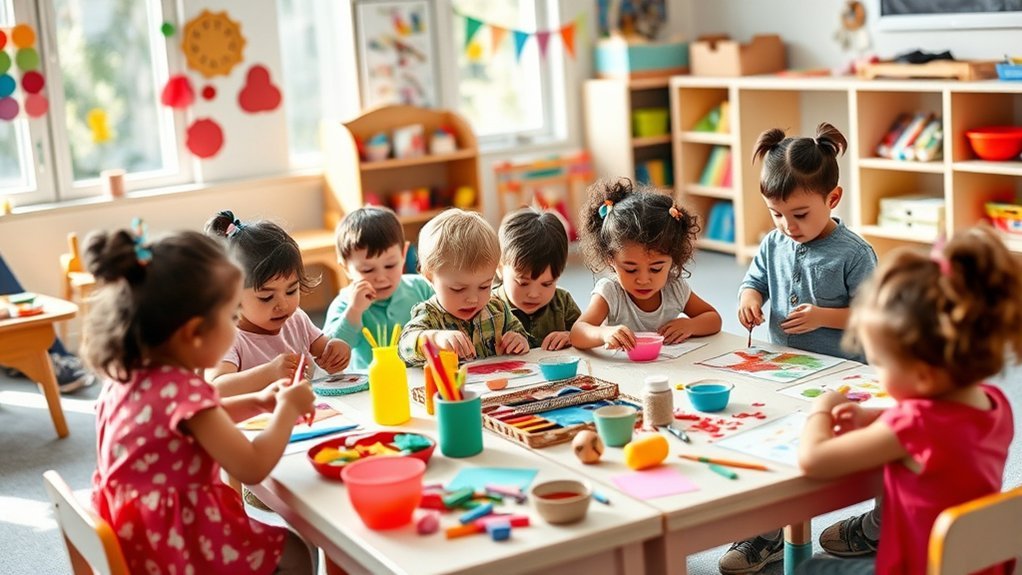
Art and craft projects turn abstract concepts into tangible experiences that preschoolers can touch, manipulate, and proudly display.
Hands-on art projects transform learning into tangible adventures, letting little hands explore concepts they can see, touch, and treasure.
You’ll find that hands-on activities transform learning into memorable adventures your child won’t forget.
Encourage art exploration through various materials and textures. Let your preschooler experiment with paints, clay, fabric scraps, and recyclables.
These craft challenges develop fine motor skills while teaching colors, shapes, and patterns naturally.
Try these engaging projects:
- Create counting collages using buttons, pasta, or leaves to practice numbers
- Build letter sculptures with playdough to reinforce alphabet recognition
- Design weather charts with construction paper to explore science concepts
- Make pattern bracelets with beads to understand sequences
You’re not just creating crafts—you’re building confidence and problem-solving skills that’ll serve your child throughout their educational journey.
Turn Games and Puzzles Into Educational Tools
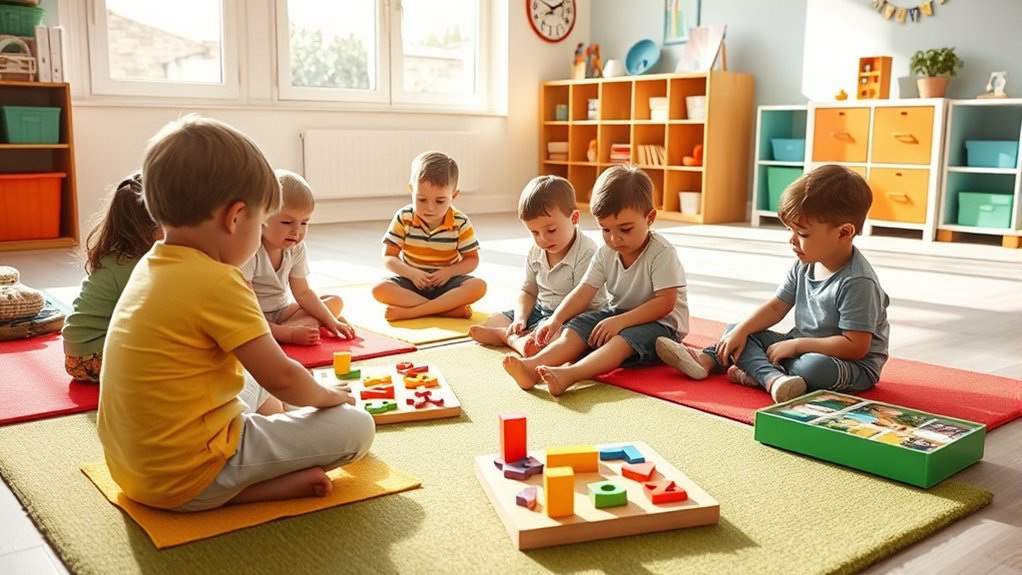
Games and puzzles naturally disguise learning as playtime, making them perfect tools for teaching preschoolers essential skills without the pressure of formal instruction. You’ll find that game based learning keeps children engaged while developing puzzle solving skills through interactive play.
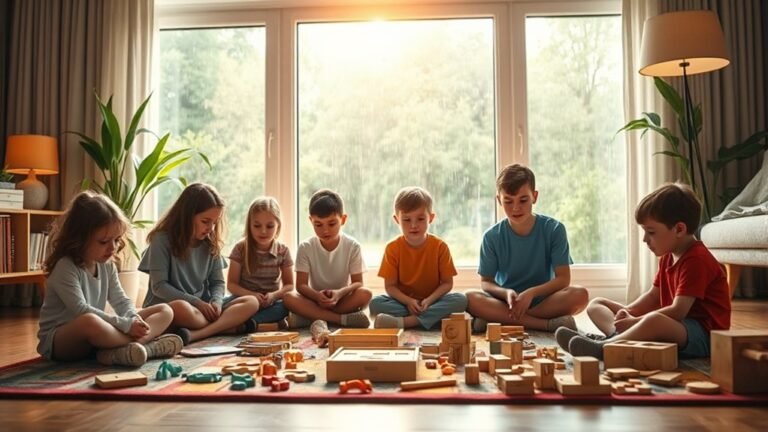
Choose skill building games that match your child’s abilities, gradually introducing educational challenges as they progress. Memory matching cards strengthen cognitive development, while building blocks enhance spatial awareness. Board games teach turn-taking and collaborative problem solving when played with siblings or friends.
Incorporate hands on activities like shape sorters and pattern-building puzzles to reinforce concepts you’re teaching. You can create simple scavenger hunts around your home, turning everyday objects into learning opportunities.
These playful approaches help preschoolers absorb information naturally while building confidence in their abilities.
Follow Your Child’s Interests and Passions
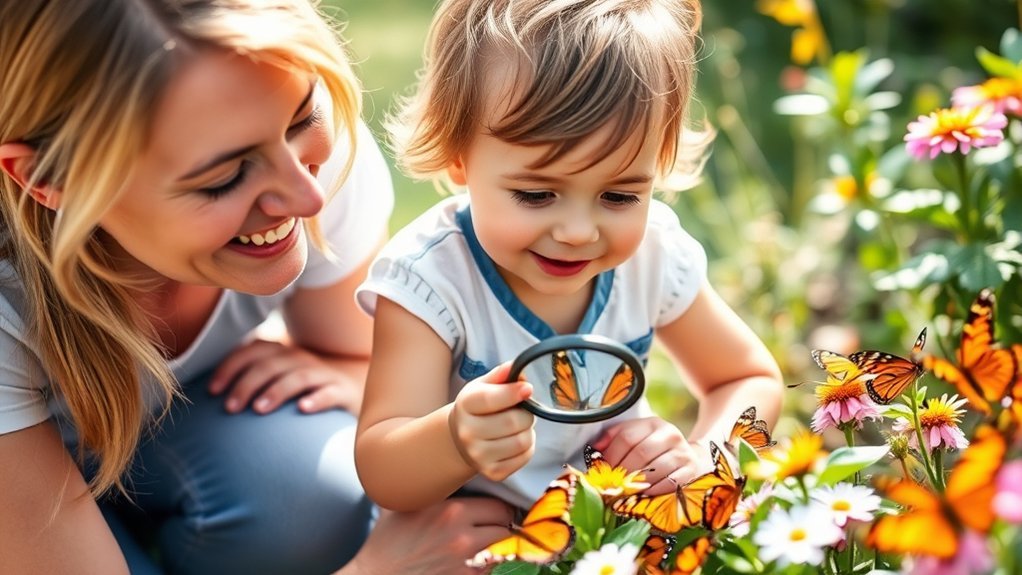
Your child’s natural curiosity about specific topics provides the strongest foundation for meaningful learning experiences.
When you embrace child led exploration, you’ll notice deeper engagement and genuine excitement about discovering new things.
Support your preschooler’s interests by creating passion projects that align with what captivates them:
- If they love dinosaurs, visit museums, read books about paleontology, and create fossil dig activities in your backyard.
- For budding artists, set up a dedicated art station with various materials they can access independently.
- Animal enthusiasts benefit from zoo trips, nature documentaries, and caring for classroom pets.
- Transportation fans enjoy building block cities, visiting train stations, and learning how different vehicles work.
Following these interests transforms everyday moments into powerful learning opportunities that feel like play rather than structured lessons.
Celebrate Mistakes and Encourage Experimentation
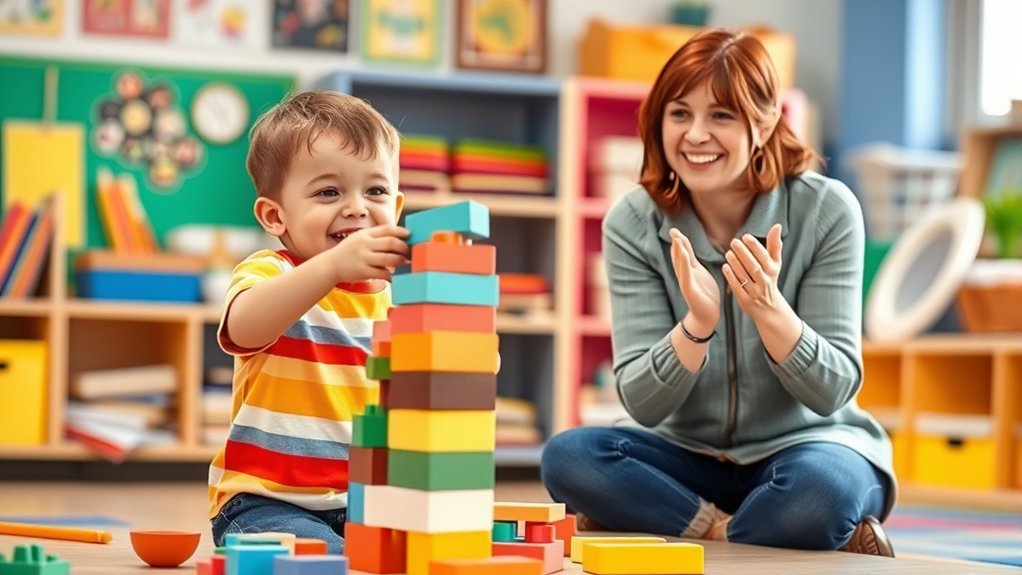
When preschoolers view mistakes as learning adventures rather than failures, they develop the confidence to tackle challenging tasks without fear.
You’ll foster this mindset through consistent mistake celebration, praising your child’s effort when things don’t go as planned. Say, “I love how you tried that differently!” instead of focusing on the outcome.
Create opportunities for experimentation encouragement by providing open-ended materials like building blocks, art supplies, and science experiments.
When your preschooler’s tower collapses or their painting doesn’t match their vision, ask, “What could you try next time?” This approach transforms errors into valuable learning moments.
Turning mistakes into learning opportunities starts with a simple question that shifts focus from failure to future possibilities.
Model this behavior by sharing your own mistakes and demonstrating problem-solving.
Your preschooler learns that everyone makes mistakes, and that’s exactly how we discover new solutions and grow.
In case you were wondering
How Much Screen Time Is Appropriate for Preschoolers During Educational Activities?
You should limit your preschooler’s screen time to one hour daily, following AAP screen time guidelines. Choose high-quality educational apps that encourage interaction and learning. Always co-view content with them to maximize educational benefits and minimize passive watching.
What if My Child Refuses to Participate in Learning Activities?
Don’t send smoke signals in panic! Try playful alternatives like games or outdoor exploration instead. You’ll discover engaging strategies work better than forcing participation. Follow your child’s interests, and they’ll naturally become curious about learning through enjoyable activities.
How Do I Balance Structured Learning Time With Free Play?
You’ll want to alternate short structured activities (15-20 minutes) with longer free play periods. This rhythm lets your preschooler absorb concepts through guided lessons, then reinforce learning through creative exploration during unstructured time.
Should I Use Rewards or Incentives to Motivate My Preschooler?
While rewards effectiveness seems appealing, they’re not ideal long-term motivators. Instead, you’ll find incentive alternatives like praise, curiosity-driven activities, and celebrating effort work better. These approaches foster intrinsic motivation, helping your preschooler develop genuine love for learning without external dependencies.
How Can I Assess if My Preschooler Is Actually Learning?
You can assess your preschooler’s learning through observational methods by watching how they apply skills during play. Use playful assessments like games, puzzles, and creative activities to naturally evaluate their understanding without formal testing pressure.
Conclusion
You’ve just unlocked the ultimate treasure chest of preschool learning magic! These strategies will transform your little one from a reluctant learner into an unstoppable knowledge-seeking rocket ship. Watch as every moment becomes an adventure, every activity sparks pure joy, and your child’s brain literally explodes with excitement (in the best way possible!). You’re not just teaching—you’re creating a lifelong love affair with learning that’ll never fade.